What is Injection Blow Molding and How Does it Work?
Injection blow molding is a critical process in the manufacturing industry. It combines the advantages of both injection molding and blow molding, facilitating efficient production of hollow plastic parts. According to a report by Data Bridge Market Research, the global injection blow molding market is expected to grow steadily, with a compound annual growth rate (CAGR) of 5.2% through 2027.
Expert in plastics engineering, Dr. John Forsythe, emphasizes the importance of this technology, stating, "Injection blow molding allows for precision and flexibility, making it ideal for diverse applications." This method produces containers, bottles, and various hollow shapes with significant quality control.
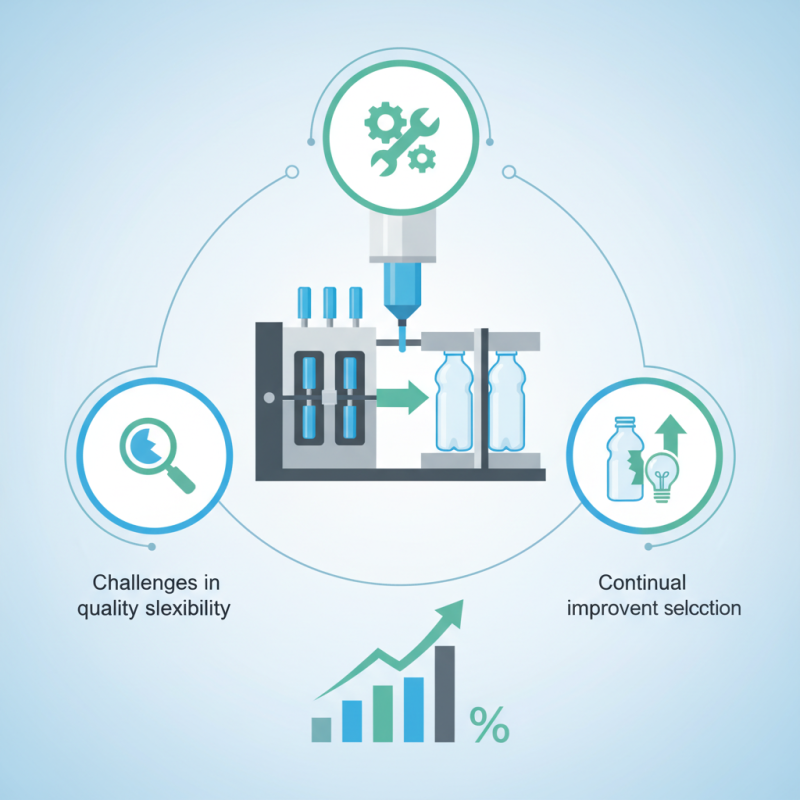
However, challenges remain. The intricacies of mold design and material selection often lead to inconsistencies. Ensuring the right parameters during production requires ongoing learning and adjustments. The potential for waste and inefficiency means constant evaluation is necessary. In a rapidly evolving industry, continual improvement in injection blow molding practices can lead to enhanced outcomes.
What is Injection Blow Molding? An Overview of the Process
Injection blow molding (IBM) is a sophisticated process used to create hollow plastic parts. It combines injection molding and blow molding techniques. This method is particularly effective for producing lightweight containers like bottles and jars. According to industry reports, the global market for injection blow molded products is projected to reach $6 billion by 2025, driven by the growing demand in packaging sectors.
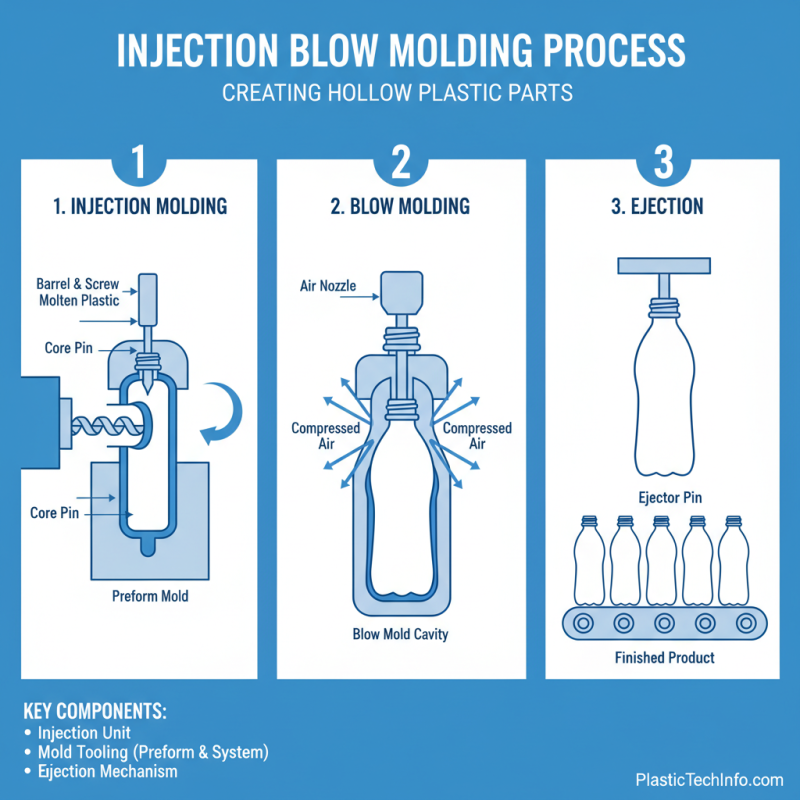
In the IBM process, plastic is first heated and injected into a mold to form a parison. After that, air is blown into the parison, expanding it to fill the mold's shape. This dual approach enhances precision and reduces waste compared to traditional methods. However, achieving the perfect balance of temperature and pressure remains a challenge for many manufacturers. Even minor errors can lead to defects in the final product, so careful monitoring is essential.
Tips: Always ensure your molds are clean and well-maintained to avoid contamination. Test small batches to refine settings before scaling up production. Regularly reviewing production processes can help identify potential issues early. Continuous learning is crucial; the industry evolves quickly. Stay updated on best practices and new technologies.
Key Components of Injection Blow Molding Machines and Their Functions
Injection blow molding is a fascinating process used to create hollow plastic parts. Understanding the key components of injection blow molding machines helps reveal how this method works.
The machine mainly consists of three parts: the injection unit, the blow mold, and the blowing mechanism. The injection unit melts the plastic resin and injects it into a preform mold. This mold shapes the molten plastic into a preform, which will later become a bottle or container. The preform is critical, as its dimensions determine the final product's quality.
After forming, the preform moves to the blow mold. Here, it is heated again and inflated with air. This step shapes the preform into its final design. The blowing mechanism controls the air pressure. If the pressure is too low, the shape can be inconsistent. Attention to detail in this stage is crucial. Miscalculations can lead to defects. Each component has a specific role, and a malfunction in any can disrupt the entire process.
The Step-by-Step Process of Injection Blow Molding Explained
Injection blow molding is a specialized process used in manufacturing hollow plastic parts. It combines two methods: injection molding and blow molding. The process begins with the injection of molten plastic into a mold. This mold shapes the plastic into a preform, which is crucial for producing uniform products. After cooling slightly, the preform is transferred to another mold.
In the next step, high-pressure air is introduced into the preform. This expands the plastic to fill the cavity of the mold. Timing is key here. If the preform cools too much, it may not inflate properly. The mold closes tightly, ensuring no air leaks. After the part cools, the mold opens, and the finished product is removed.
There can be challenges in this process. Sometimes, the preform fails to expand fully, leaving design flaws. Inconsistent plastic temperatures can lead to weak spots. Workers must constantly monitor these variables. Even minor lapses can impact the final product's quality. Reflection on these issues can drive improvements in technique and technology.
Injection Blow Molding Production Statistics
Applications and Advantages of Injection Blow Molding in Industry
Injection blow molding is a vital process in the manufacturing sector. It is widely used to create hollow plastic products, especially containers. The technique combines two methods: injection molding and blow molding. It excels in producing uniform and precise shapes, making it popular in industries like food packaging and pharmaceuticals. The accuracy ensures that products meet rigorous quality standards.
One major advantage is its efficiency. The process allows rapid production of items, reducing lead time. This is crucial for industries that demand quick turnarounds. Injection blow molding also minimizes waste, as it uses only the necessary amount of material. However, it might not be suitable for all designs. Complex shapes can increase costs and extend production time. This can lead to challenges, especially for small manufacturers.
Versatility is another strong point. The process can use various plastics, accommodating different industrial needs. However, ensuring proper material selection is vital. Choosing the wrong plastic can affect product performance and safety. Manufacturers need to stay updated on material properties and industry trends. Overall, injection blow molding plays a significant role in modern manufacturing, providing both opportunities and challenges for companies.
Market Trends and Future Outlook for Injection Blow Molding Technologies
The injection blow molding market is experiencing notable growth. According to a recent industry report, the market is expected to reach $5.7 billion by 2026, growing at a CAGR of 4.5%. This growth is driven by the rising demand for lightweight and durable packaging solutions. Industries such as food and beverage are significant contributors to this growth, as companies seek efficient manufacturing methods.
However, challenges exist. The initial investment for injection blow molding machines can be high. This deters smaller manufacturers from adopting the technology. Additionally, the requirement for precise mold design can complicate the process. Not every factory can meet these design specifications. Yet, companies that invest in high-quality machinery often see significant returns through reduced production times and lower waste.
Sustainability is shaping market trends. There is a push towards using recycled materials in production. Industry reports indicate that about 30% of manufacturers are exploring bio-based materials. Adapting to these changes can be difficult. Some businesses struggle with the transition from traditional methods. Nonetheless, those embracing innovation often gain a competitive edge. The future is likely to prioritize eco-friendly solutions, making it vital for manufacturers to evolve.
What is Injection Blow Molding and How Does it Work?
| Dimension |
Details |
| Process Type |
Injection Blow Molding |
| Materials Used |
PET, PVC, HDPE, PP |
| Applications |
Bottles, Containers, Automotive Parts |
| Key Advantages |
High Precision, Lightweight Packaging, Design Flexibility |
| Market Trends |
Increase in Sustainable Packaging, Rise in Demand for Lightweight Products |
| Future Outlook |
Adoption of Eco-friendly Materials, Advancements in Technology |